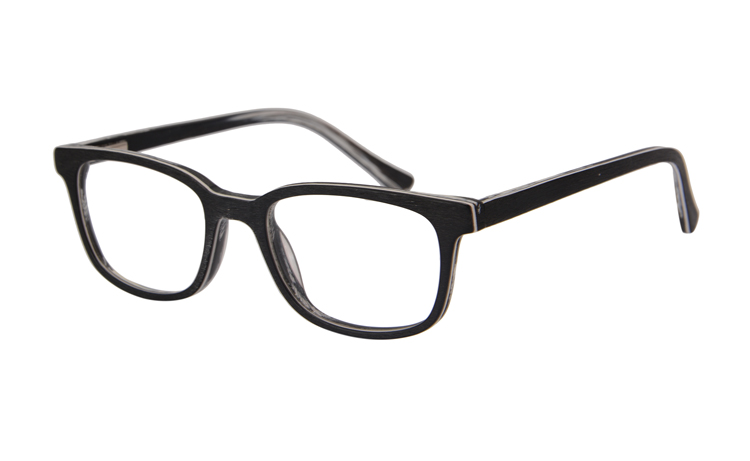
We all want clear vision without spending a fortune—I understand completely. When I needed new prescription readers, I thought I was being savvy by hunting for a bargain. That was my first big error. I wound up with a pair that simply didn’t deliver. The vision was blurry, they felt cheap, and honestly, it was a waste of both money and time.
I’ve made these common mistakes so you can avoid them. Learn from my missteps and spare yourself the hassle. This guide will help you choose wisely, whether you’re shopping for reading glasses, myopia correction, or high-prescription lenses.
My biggest blunder? Assuming all reading glasses were created equal. I simply looked for the lowest price, telling myself, “A pair is a pair.” How wrong I was. I ended up with flimsy glasses that didn’t sit properly, and the lenses seemed distorted—like looking through wavy glass.
Cheap materials usually mean inferior lenses and frames. Your eyes deserve better. Low-quality lenses can cause eye strain over time, leading to headaches and discomfort. It’s not just about clear vision—it’s about protecting your eye health.
Consider this: “Poor customer service” often begins with a subpar product. If the glasses break quickly or don’t work as promised, you’re left dealing with returns or seeking support. That’s never a pleasant experience.
Verdict: Don’t just choose the cheapest prescription readers. Prioritize quality, then consider price. Your eyes will thank you later.
When I bought those disappointing readers, I overlooked the important details. I didn’t consider lens index, blue light protection, or customization options. I just wanted to read!
But these features matter significantly. For instance, a 1.61 index lens is thinner and lighter than standard lenses, which is especially beneficial for strong prescriptions like +8.0 or +9.0. Thick lenses can feel heavy and look bulky.
Likewise, customized blue light blocking isn’t just a buzzword. It helps shield your eyes from the blue light emitted by screens. If you read on a tablet or computer, this feature is crucial—it can reduce eye strain and improve sleep quality.
By ignoring these options, I missed out on comfort and better eye protection. My inexpensive pair offered none of these advantages.
Verdict: Always look for quality features like lens index, blue light blocking, and customization. They make a real difference in comfort and eye health for your prescription readers.
This was a major oversight. I barely skimmed the reviews. A friend later mentioned, “The customer service isn’t great—my friend had issues.” That small piece of information could have saved me. I wish I’d looked more carefully.
Online reviews are like getting advice from hundreds of fellow shoppers. They reveal the truth about a product and a brand. You can learn about: